What is Coastal Erosion?
Coastal erosion is when the sea slowly wears away the land along the coast. Waves, wind, and tides all work together to break down cliffs and beaches over a long time. It is a natural process, but it can cause big problems for people who live near the sea.

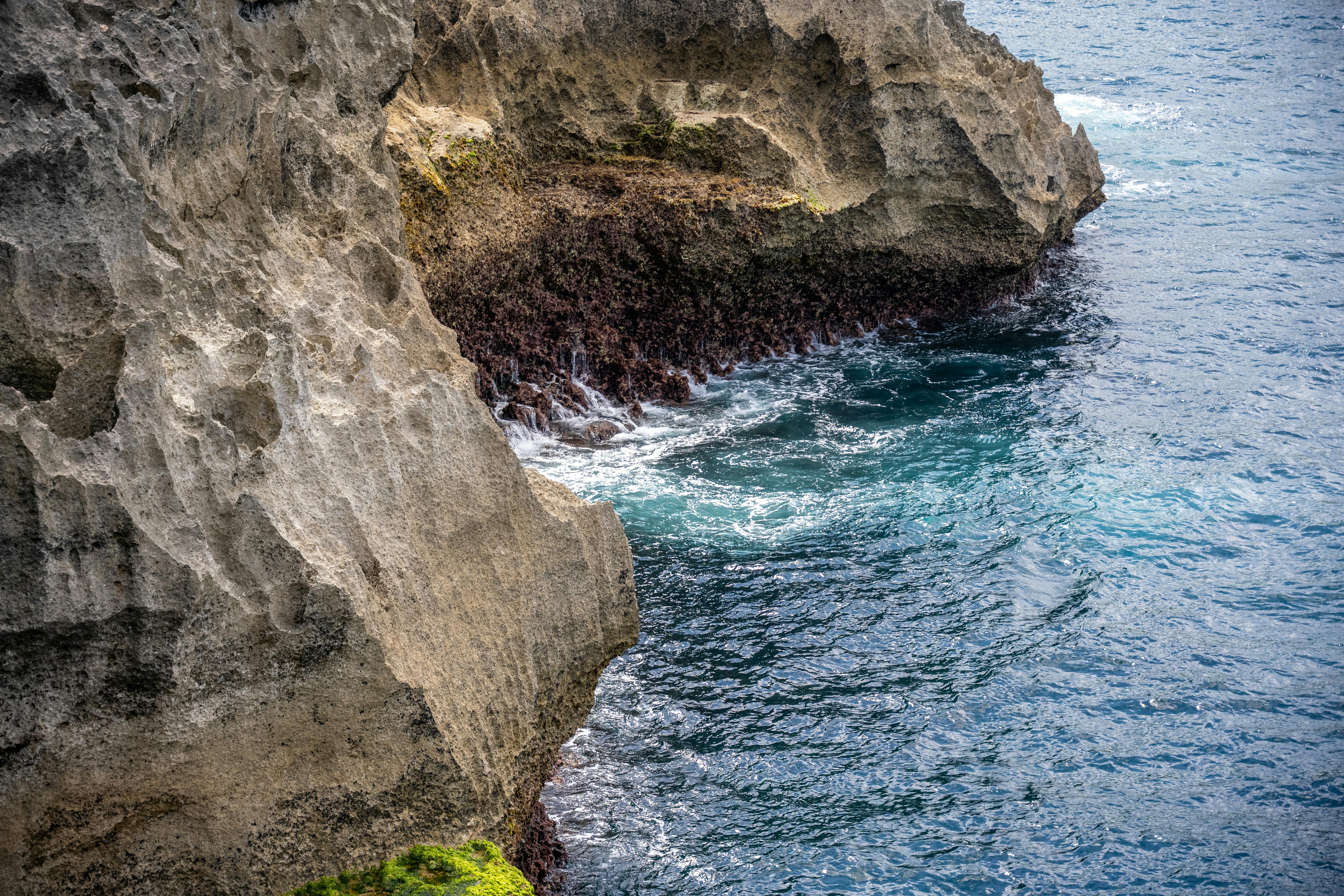
Powerful waves wearing away a rocky cliff face.
How Does it Happen?
Waves crash into the bottom of cliffs and slowly break the rock apart. Over many years, the cliff gets weaker and eventually collapses into the sea. The bits of rock are then washed away and the coastline moves further back. This is called retreat.
Some coasts erode much faster than others. Soft rocks like clay and sand wear away quickly, while hard rocks like granite take much longer.

The Case of Dunwich
Dunwich is a small village on the Suffolk coast in England. Hundreds of years ago it was a large and important town with churches, markets, and a busy harbour. But because the cliffs were made of soft sand, the sea slowly washed it all away.
Today, almost the entire town is under the sea. Only a tiny village is left. Scientists believe the cliffs at Dunwich still erode by about one metre every single year!
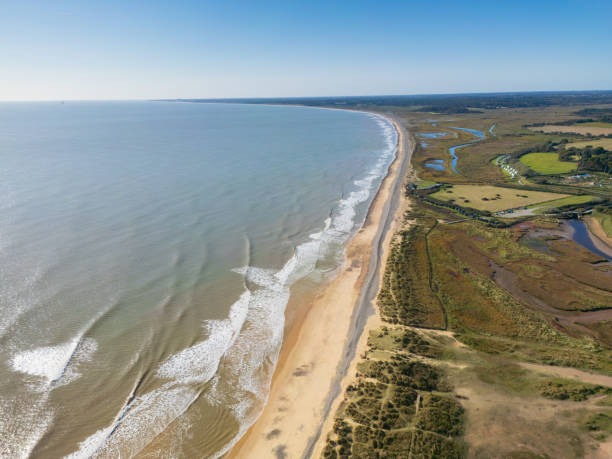
The Suffolk coastline near Dunwich — much of the original town now lies beneath the sea.
Why Does it Matter?
Coastal erosion can destroy homes, roads, and farmland. People who live near eroding cliffs sometimes have to move away because it becomes too dangerous to stay. It can also harm wildlife and damage important historical places.
To help slow down erosion, engineers build sea walls, groynes, and rock armour to protect the coast. However, these defences cost a lot of money and do not always work forever.

